Section 4 · Resources & History
Ministry Resources and History
Resource guides for small church teams: apps and tools that carry a ministry week, plus documented history of Baptist churches in Wyoming.

Ministry resources are the working materials of a congregation: the study guides, the training, the apps and the denominational help that let a small church do more than its size suggests. The temptation with resources is accumulation, a drive full of curricula nobody uses and subscriptions nobody remembers starting. This section of The Fellowship Hall takes the opposite approach: a small set of tools and materials, chosen for what they replace rather than what they promise, and maintained by someone whose name is on them.
What this section covers
One guide anchors the section. Ministry Apps and Tools surveys the software a small church actually benefits from, scheduling and sign-ups, group communication, giving platforms and planning tools, with the questions that separate a useful subscription from a recurring charge nobody uses. Around it, the resources approach runs through the other sections: the study materials side lives in the Bible study guides, and the people side, training and care for the humans who use all of it, in the volunteer guide.
What qualifies as a resource worth keeping
Apply three tests to anything that asks for a place in the church's working life. Does it remove work rather than add it, because a tool that creates configuration, updating and training is a net loss below a certain size. Does it have an exit, data you can export and a plan you can leave, since ministries change direction and vendors disappear. And is someone willing to own it, a name in the directory rather than the general hope that someone will figure it out. A resource that fails the ownership test is not a resource yet; it is a pending problem.
The paper resources that still outperform software
A modest defense of paper, in a section that includes an apps guide. The laminated emergency card by the nursery phone, the printed directory with photos that the membership actually browses, the paper sign-up sheet on the welcome table that captures people who would never fill a web form: these outperform their digital equivalents at specific jobs, especially in congregations whose membership spans every level of comfort with technology. The right pattern is paper where paper wins, capture into the digital systems later, and never a purity test about either.
Denominational and regional help small churches forget
Most congregations sit inside structures that exist to help them and go unused out of habit. Associations and conventions publish child safety templates that a small church should not rewrite, run camps and assembly grounds that rent cheaply to member churches, train leaders on circuits, and keep lists of available interim pastors and speakers. The historical shape of this cooperation in one western state, how it started and what it became, is told in the Wyoming Baptist history page, and the practical habits of using shared machinery, insurance, transport, screening, run through the events guide.
Free is a price, not a value
Free resources carry costs that show up later: the platform that reads your members' data as its business model, the curriculum that stops being updated the year you build your program on it, the tool with no support when it fails on a Saturday night. For anything touching giving, minors or personal information, the paid option with a real company behind it is usually the conservative choice, not the extravagant one. The fuller framework for judging these trade-offs, including the questions to ask before a second year of any subscription, is in the apps and tools guide.
Where the human resources actually are
The most valuable resource of a small church is not on a shelf or a subscription plan. It is the retired teacher who can run a children's program, the plumber who will always say yes to the building, the teenager who can run sound better than any adult volunteer, the grandmother whose kitchen produces the casseroles that hold a congregation together through a hard winter. The systems for finding, training and keeping these people, rather than burning through them, are the subject of the student leadership guide and the volunteer pages of this site. Tools serve that machinery; they never replace it.
Keeping the toolkit honest
Once a year, audit the resource drawer. Cancel what nobody logged into, archive the curricula that no longer match the church's direction, update the emergency cards and the directory, and confirm the ownership list, every resource with a name beside it. The audit takes an evening and pays for itself the first time someone needs the toolkit in a hurry. The rest of this section, and the guides it links, is built on that assumption: a small set of things, owned, current, and actually used.
Guides in this section

Resources & History
Ministry Apps and Tools
Scheduling, communication, giving and study tools, judged by what they remove.

Resources & History
Baptist Churches in Wyoming
Railroad missions, two Baptist streams, one sparse state, cooperation by choice.
Resources & History
The Church That Once Used This Domain
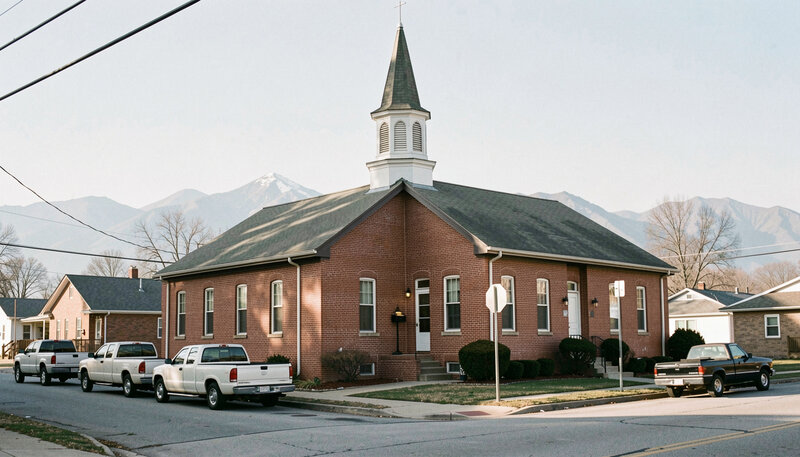
1906 to 2020: the congregation that once published at this address, kept on record.